From Fashion Prodigy to Dior
In fashion, few names carry as much weight—and as much controversy—as John Galliano.
Galliano is a British designer who started his own label before moving to Paris in search of financial backing. When he lost his financing, Anna Wintour, the editor in chief of Vogue, stepped in to help him. His career quickly moved into the big leagues. In 1995, he was appointed creative director of Givenchy, a major moment at a time when Parisian fashion houses strongly favored French designers. Then came the call he had been waiting for: Dior, his dream house.
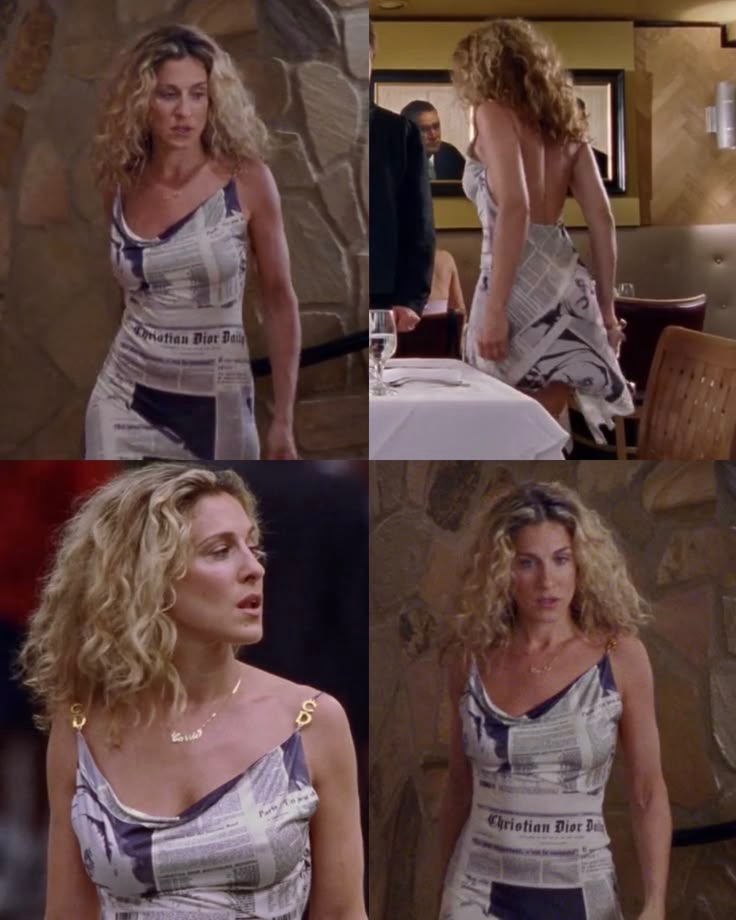
At Dior, Galliano became known for his extraordinary creative vision. In 2000, he introduced the Dior Saddle Bag, which became one of the most recognizable and coveted bags in fashion. But that same year, his controversial “newspaper” collection sparked criticism. Inspired by seeing unhoused people using newspapers for warmth, the collection was met with protests and negative press. Galliano responded by re-releasing the Christian Dior Daily newspaper print featuring his own face. Years later, the newspaper dress would become iconic, even appearing on Carrie Bradshaw in Sex and the City.
The Controversy That Changed Everything
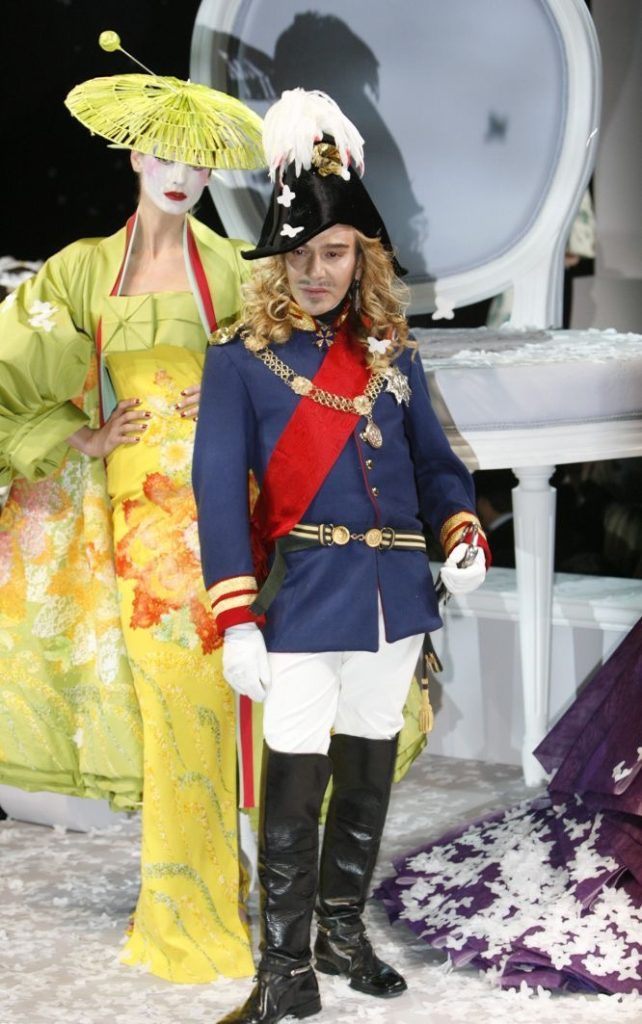
For the next decade, Galliano continued to establish himself as one of couture’s greatest talents. His runway shows were theatrical, his designs constantly pushed boundaries, and he often closed his shows in elaborate costumes. At the same time, his work was increasingly criticized for cultural insensitivity. While behind the scenes, Galliano was struggling with drug and alcohol addiction.
Then came 2011.
A video surfaced of Galliano making an extremely offensive antisemitic rant against strangers at a restaurant. He was fired from Dior and his own label and was later convicted of hate speech. After spending time in rehabilitation and publicly apologizing, he eventually returned to fashion, first through Oscar de la Renta and then, in 2014, as creative director of Maison Margiela.
For the next decade, Galliano largely rebuilt his career. His talent was still undeniable, and the fashion industry gave him an opportunity to prove that people can change.
When the Past Came Back
In July 2026, The Metropolitan Museum of Art announced John Galliano: Horizons, the first major museum exhibition dedicated to the designer’s career. The exhibition was scheduled for spring 2027 and was set to coincide with the Met Gala, one of the most prestigious nights in fashion. For Galliano, this should have been the ultimate recognition of his four-decade career.
But the announcement was met with significant backlash because of his past antisemitic, racist, and anti-Asian conduct. On August 31, the Met and Galliano announced that the exhibition would no longer proceed as planned. The Met said a new spring 2027 Costume Institute exhibition and Met Gala would be announced later.
A career can be rebuilt, but the internet does not rebuild your history.
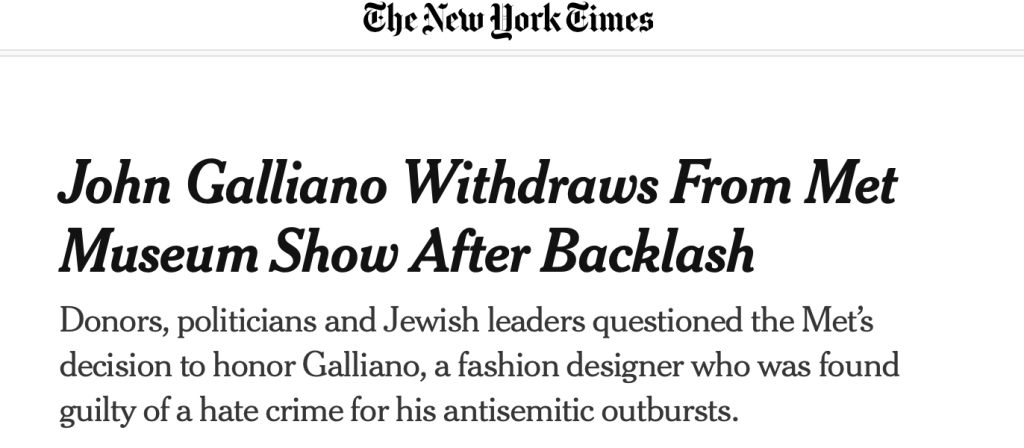
The New York TimesJohn Galliano Bows Out of Met Museum Show After Criticism Mounts
Galliano had the talent, the connections, and even the support of some of the most powerful people in fashion. Anna Wintour could help open doors, and the industry could give him another chance. But a video recorded more than 15 years ago still had the power to resurface and change one of the biggest moments of his career.
For brands, creators, and marketers, that is the part worth remembering. Digital content does not necessarily disappear when the news cycle moves on. Sometimes, the past only needs the right moment to become relevant again.
The internet has receipts.
Leave a Reply